

As the world is getting more connected, online shopping has undergone a remarkable transformation because of the rise of social media and e-commerce businesses. Social commerce is a blend of social networking and online shopping. It has reshaped customer behaviour and interactions. Global social commerce sales are estimated to reach $2.9 trillion by 2026.
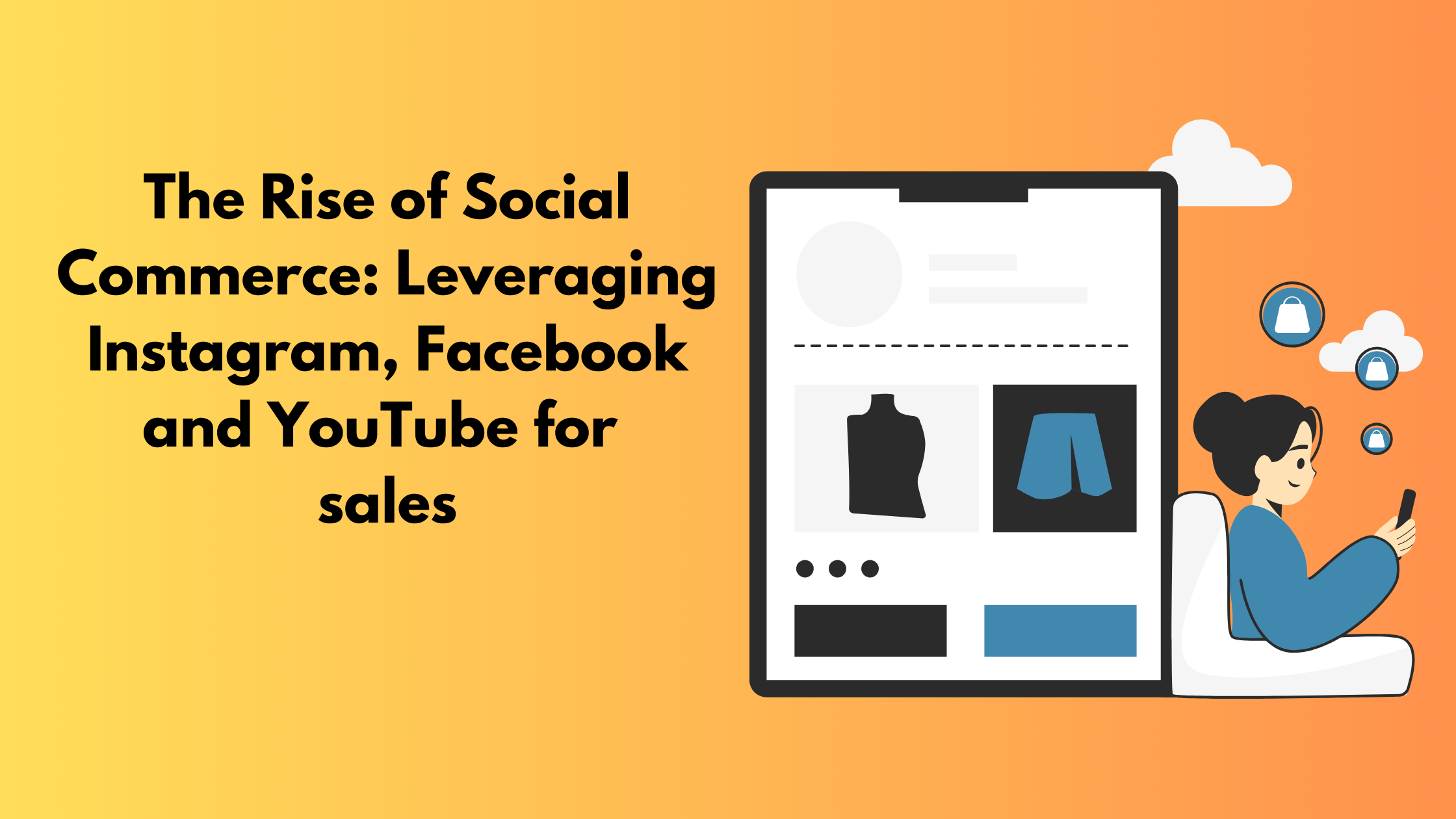
Social commerce allows users to shop directly within their favourite social media apps and create a seamless shopping experience. 76% of consumers have purchased a product they saw in a brand’s social media post. Earlier brands simply relied on social channels to improve their brand presence and connect with customers. But social commerce has evolved into a full-fledged medium for online shopping. 65% of U.S consumers stated that a social post led them to a product they weren’t originally interested in buying.
In this article, we’ll learn what social commerce is and its importance, some of the strategies of social commerce and the latest trends!
Importance of Social Media Integration in e-commerce
Social media integration offers an indispensable solution by enhancing brand awareness and visibility through targeted advertising and engaging content. Integrating social media into your e-commerce website helps in building a bigger audience and creating a strong brand presence. Social media helps in increasing brand awareness, boosting product sales, improving customer service and support and enhancing targeted advertising.
Effective social media integration improves customer engagement by promoting interaction and enabling real-time communication. Direct relationship with customers helps in creating meaningful relationships with customers and. improves customer loyalty. The financial impact of social media is also powerful because social media platforms are expected to generate $2.9 trillion in sales. Also, 5% of total eCommerce retail sales are expected to occur via social channels. This is the reason why you should have a strong social media eCommerce strategy.
Integrating social media can also convert browsers into buyers. Using social media as a marketing channel is important for promoting a brand and boosting sales. Try to combine various social platforms into a comprehensive strategy to ensure efficient sales and marketing efforts.
Strategies for using Social Commerce
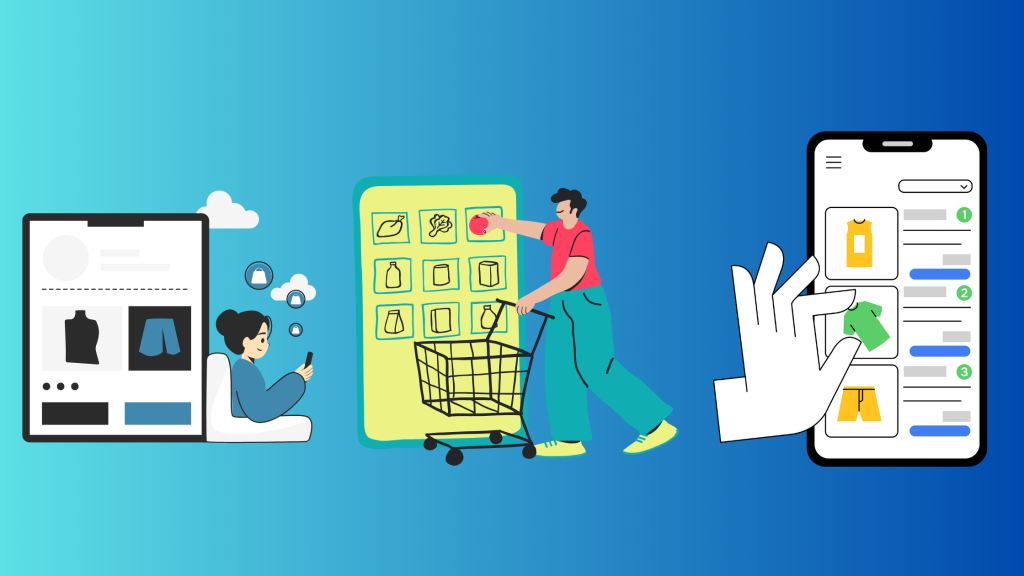
Here are some of the strategies that you can use for effective social commerce
- Optimise Social Page: Ensure your business profiles on Facebook, Instagram, LinkedIn, etc, are fully optimised. It includes having a clear and compelling bio, consistent branding and providing easy access to your shop, such as Instagram’s “View Shop” button.
- Shoppable Content: Create content that not only entertains but also drives sales. On Instagram, use shopping tags in posts, stories, and reels to highlight products. Facebook allows for the creation of shoppable posts and live-shopping events where products can be purchased in real-time during a live stream. TikTok’s shoppable videos should feature products naturally within the content to encourage discovery.
- User-Generated Content: It encourages customers to share their experiences. Social proof helps me build trust and encourage purchases.
- Influencer Partnership: Collaborate with influencers who align with your brand values and have a strong following within your target audience. Influencer marketing can increase your reach and provide an authentic endorsement that connects with followers. Encourage influencers to use platform-specific shopping features such as TikTok’s product link, Instagram’s product tag, etc, to facilitate direct sales.
- Host Live Shopping Events: Live shopping events are gaining popularity as a way to engage audiences and drive real-time sales. Platforms like Facebook and Instagram support live shopping, where viewers can purchase products during a live stream. These events create a sense of urgency and excitement and encourage immediate purchase.
- Social Advertising: Social media ads reach a broad audience. Use advanced targeting options on Facebook, Instagram, use them. Analyse your competitors to make more effective advertising campaigns. Dynamic ads and retargeting keep users engaged and drive them to purchase your products.
Social Commerce Trends

Here are some social commerce trends that you should know in order to improve your performance.
- Augmented Reality Shopping: Augmented reality is growing, according to a report, nearly 75% of the world and all smartphone users will be AR users. Other than try-before-you-buy models and personalised recommendations, customers expect AR to provide virtual visualisation, such as dressing rooms for clothes or property views in hotels. Retail grocery shopping is likely to get smarter with AR-powered labels for nutritional facts and allergy alerts. Another use is in-store navigation with AR maps to support a hybrid shopping experience.
- Integration of Non-Fungible Tokens: Non-Fungible Tokens or NFTs are unique digital assets stored on blockchain that allow one to own a specific item. It certifies authenticity and transfers accurately. Since they went mainstream, NFTs have been adopted by many fashion and retail brands to offer limited-edition clothing and accessories. American candy company, Laffy Taffy, created 120 unique NFTs to let users own their jokes digitally.
- Voice Commerce: Since smart speakers are becoming popular, they are also becoming trusted shopping companions. By mid-2022, over 27% of U.S customers went hands-free to make online payments over voice commands. It is also disability friendly.
- Hyper Personalisation: Customers today expect a smooth and smart shopping experience. AI in social media can help in providing one. Heinz’s “Draw Ketchup” campaign is powered by AI image generator DALL-E 2. It created Heinz bottle images from prompts that went viral, generating over 850 million impressions and showing the brand’s iconic presence.
- Ethical Shopping: A Growing number of customers especially the younger generation, are prioritising sustainability in their purchases. Brands that speak openly of eco-consciousness are gaining more traction. 67% of consumers are likely to rally behind influencers who advocate for sustainable products and practices. Social commerce makes sustainable shopping easy.
Social commerce has shifted in how customers interact with brands and make purchasing decisions. By integrating shopping directly into social media platforms, brands provide a seamless and engaging shopping experience. It offers exciting opportunities for brands to innovate, connect with potential customers and boost sales. Lumia 360 provides smart and innovative solutions that help small and medium enterprises grow their business. It helps in lead generation, enhances SERP ranking, increases followers and boosts sales. To know more, email info@lumia360.com or call 514-668-5599.
Read Also: Why Brands are collaborating with Micro-Influencers
Read Also: Review Management Strategies