


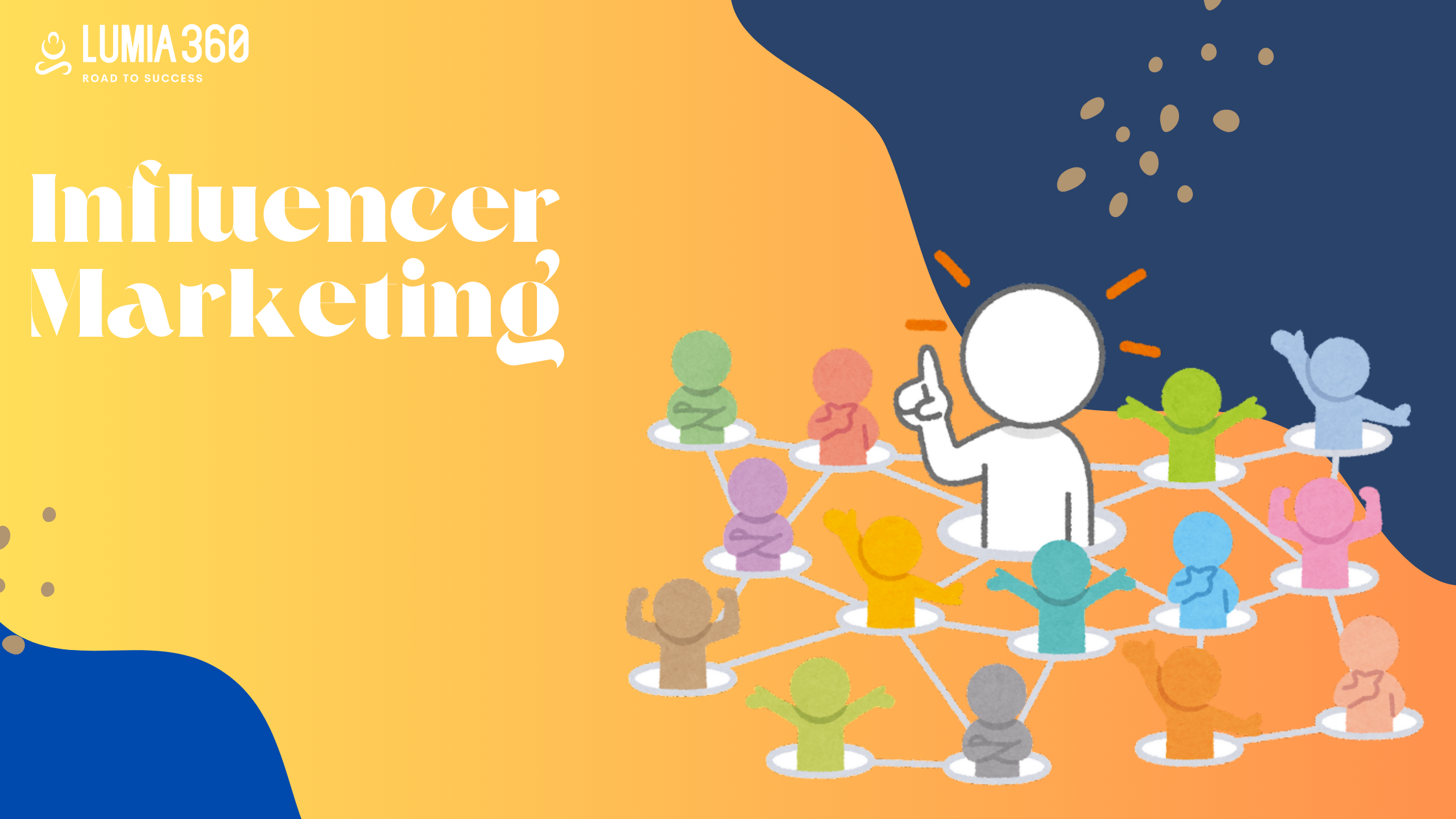
When you plan an influencer marketing strategy, businesses feel tempted to target popularity by collaborating with a big influencer. However, it might not help you in achieving your goals. Rather than going behind large audiences, target relevant and potential audiences. Micro-influencers help target and attract meaningful audiences. According to a report, micro influencers boost higher-than-average engagement rates, showing an average of 1.81% across platforms, and 80% of marketers prefer to work with these influencers.
According to a report, 43% of brands are shifting budget away from large influencers and instead allocating it to micro-influencers. Micro-influencers have a trusted community in a particular niche, making them ideal for small brands.
In this article, we’ll learn who a micro-influencer is, how to get effective micro-influencers for your campaigns, and in the end, we’ll look at some of the successful micro-partnership campaigns!
Who is Micro-Partnership and its benefits?
A Micro-influencer is someone with 20k to 100k followers. It also depends on your niche and industry. If there are many influencers in your niche, then micro influencers can be stated differently. Likewise, if the number of influencers in your niche is less, the definition of micro skews lower than the range you’ll find in other fields.
On average, anyone who’s 1/10 to ⅕th the size of average famous influencers in an industry can be called a micro-influencer. There are many benefits of micro-partnership; generally, such micro influencers have a strong relationship with their audience and help in relationship building. Large influencers struggle to maintain a personal relationship with their audience. Micro influencers engage more frequently with their audience. They respond, recognise similar followers and build trust, something which big influencers can fail to do. Also, they specialise in their niche, and their words carry a lot of power and importance. They create deep and consistent content.
This partnership can boost your reach without spending huge amounts on ads. It is comparatively more cost-effective. It also provides insightful data to you, which can help in making effective decisions.
How to get effective micro-influencers for your campaign
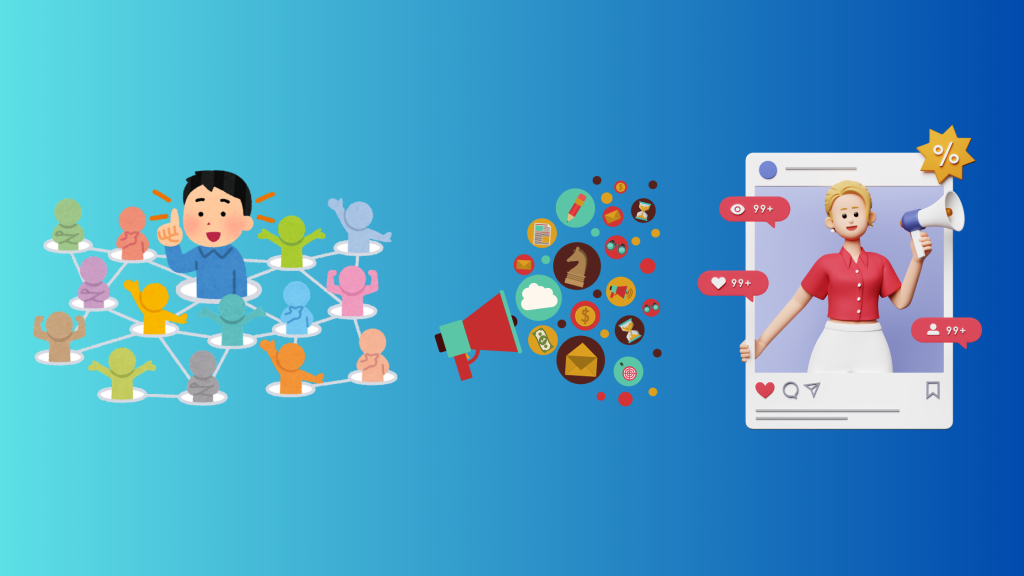
Here are some of the ways to attract effective micro-influencers
- Niche: With so many influencers in the market, it is difficult to find effective, relevant ones. To understand your niche, understand how your brand is different from your competitors, how you perceive your brand, etc.
- consistent: Stay active in order to attract new followers and enhance engagement rate. According to a report, increasing the frequency with which you post content can increase engagement rate.
- Approach Directly: Once you have defined your personal brand, it’s time to reach effective brands. Try to understand which type of influencer you want for your brand. Once you have shortlisted your list of influencers. Then craft your pitch email or message. Think of creative ways to connect with them. Include your media kit and explain how they can benefit from your brand.
- Mention Brands: It is a nice way to attract influencers. They love it when people appreciate their content and tag them. You can mention them in the post’s caption. These tags are clickable, which helps in drawing attention, and it promotes them as well. You can tag brands through photos on Instagram. Photo tags are clickable.
- Media Kit: The Media Kit helps you in introducing yourself to brands while summarising your area and work of expertise. Not having one can lead to loss of opportunities, as many brands and influencers demand it. You should include your social media statistics, demographics, your previous work, contact information, etc, in the media kit. Also, try to make it visually more attractive.
- Relevant Hashtags: Using relevant hashtags can boost your efforts while looking for brands to collaborate with you. Using the appropriate hashtags while posting engaging content can help in capturing users’ attention. These hashtags also help in attracting more traffic, improving engagement, getting noticed by brands, and gaining more followers.
Successful Micro-Partnership Campaign
Here are some of the successful micro-partnership campaigns
- Bloom Nutrition’s TikTok: Bloom Nutrition is a wellness brand that demonstrated the power of micro-influencers on TikTok. Targeting health-conscious females, they collaborated with content creators who integrated Bloom’s green supplements into their daily routine. From morning rituals to workout sessions, these trendsetters turned the product into a TikTok sensation and created a viral success.
- Chamberlain Coffee: Chamberlain Coffee is owned by YouTuber Emma Chamberlain. It relies on short-form content and visually appealing packaging. The brand prioritises partnership with creators whose minimalist and natural feed align with product aesthetics. It has created a niche within the competitive coffee market by highlighting visual appeal and explaining why it is important to collaborate with influencers who share a brand’s visual identity.
- Glossier: Glossier is a minimalist makeup brand. It fosters a strong brand ambassador program by partnering with micro influencers. Each collaboration receives a personalised landing page that features favourite products, personal stories and beauty tips, etc. It builds links between influencers and consumers, allowing audiences to feel intimately linked to their favourite creator.
As the marketing landscape is evolving, the impact of content creators is growing beyond product endorsement. Embracing micro-influencers is very important for your brand’s growth. Micro influencers bring authenticity, a unique perspective and relatability to the marketing realm. Lumia 360 provides smart and innovative social media marketing solutions to boost your social media growth, enhance your visibility and grow your followers. It also improves your engagement rate and increases lead generation. To know more, email info@lumia360.com or call 514-668-5599.
Read Also: The Future of Online Reputation Management: Trends to Watch
Read Also: The Role of Social Media in Customer Service













1 Comment
Your comment is awaiting moderation.
В джунглях игр, где любой сайт стремится привлечь гарантиями простых призов, топ онлайн казино
становится той самой ориентиром, что ведет мимо дебри обмана. Тем хайроллеров плюс новичков, что надоел от пустых посулов, он инструмент, чтобы ощутить реальную rtp, словно тяжесть ценной фишки на пальцах. Минус лишней воды, просто реальные сайты, где rtp не просто цифра, а конкретная фортуна.Составлено на основе гугловых поисков, будто ловушка, что вылавливает наиболее актуальные веяния по сети. Тут минуя пространства к стандартных фишек, каждый момент словно ставка в столе, там подвох проявляется немедленно. Хайроллеры видят: на стране тон письма на сарказмом, там сарказм скрывается словно совет, помогает миновать обмана.На https://x.com/Don8Play этот топ находится будто раскрытая колода, подготовленный на старту. Загляни, когда желаешь ощутить биение настоящей азарта, обходя мифов и неудач. Тем кто любит вес приза, это как иметь карты у ладонях, а не глядеть на экран.
Your comment is awaiting moderation.
В мире азарта, где всякий сайт стремится привлечь гарантиями простых выигрышей, рейтинг онлайн казино россии
превращается именно той путеводителем, которая проводит мимо заросли подвохов. Игрокам профи да новичков, что пресытился от пустых посулов, это помощник, дабы почувствовать подлинную rtp, как тяжесть ценной монеты в пальцах. Без пустой ерунды, лишь реальные площадки, там rtp не только число, а ощутимая удача.Составлено из поисковых трендов, как ловушка, что захватывает топовые актуальные тенденции на сети. В нём нет места про шаблонных приёмов, всякий момент будто карта у покере, там блеф проявляется немедленно. Игроки видят: по стране манера речи на сарказмом, в котором сарказм притворяется под намёк, позволяет избежать рисков.На https://www.reverbnation.com/don8play/shows такой список находится будто раскрытая колода, приготовленный на раздаче. Загляни, когда желаешь почувствовать пульс подлинной игры, обходя мифов плюс неудач. Для кто ценит тактильность приза, это как иметь ставку у пальцах, минуя смотреть в монитор.
[…] Read Also: Why Brands are collaborating with Micro-Influencers […]